Is Using Your Textbook on InQuizitive Cheating?
A true/false question in the intro activity calling it cheating. A graded score that feels like it should be closed-book. None of it survives a look at how Norton actually built the thing.

No. It's the intended workflow
Using your textbook while working through an InQuizitive activity is not cheating. It's what the tool is designed for, and Norton's own product design is the evidence.
The ebook is linked in
Norton links the ebook from inside InQuizitive itself, including from the Take a Break screen after five wrong answers in a row.
There's no closed-book mechanism
No timer, no lockdown browser, no proctoring. The tooling to enforce closed-book conditions exists and is common elsewhere. It isn't here.
It's practice, not assessment
Low-stakes questions tied to the reading, feedback after every click, half-recovery on a wrong first attempt. That's a study tool, not an exam.
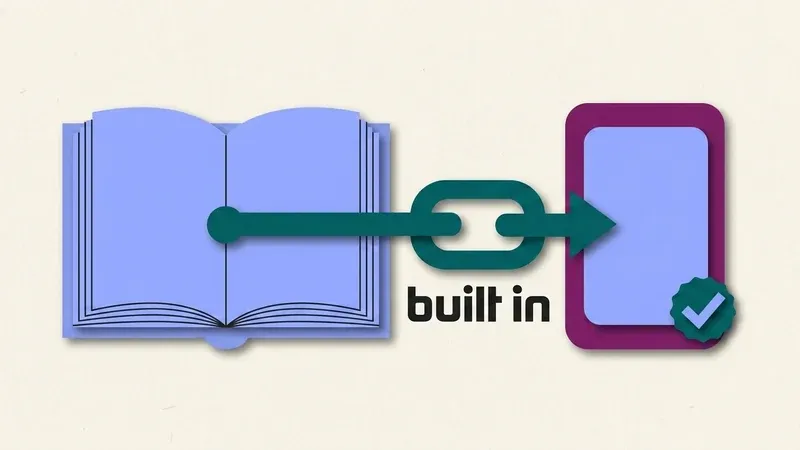
The textbook isn't a workaround bolted onto InQuizitive from the outside. Norton wired it into the activity itself, at the exact moment you start getting things wrong.
The Take a Break screen is the tell
Five wrong in a row and InQuizitive stops you and offers three things: the ebook, your activity report, or back to the questions. A platform that considered textbook use cheating would not hand you the textbook at the exact moment you're getting things wrong.
Why the worry exists anyway
Two reasons, both understandable.
Exam habits transfer. Most graded things in your academic life are closed-book, so a graded thing that isn't feels suspicious. But InQuizitive being graded doesn't make it an exam: the grade is participation-shaped, computed as the percentage of a Target Score you accumulate through practice.
There's a quiz question about it. A number of InQuizitive courses include an introductory "How to Use InQuizitive" activity, and it contains a true/false item along the lines of "Using the book to answer questions in InQuizitive is cheating." Students search the phrase because they've literally just been asked it, mid-activity, and want to be sure before wagering points.
If that's you: the item exists precisely to correct the misconception, and the correct answer is false. Norton is telling you it's fine, in the activity's own words.
Where the line actually is
Here's where we'll be straight rather than convenient, because "it's open book" doesn't answer every version of this question.
Your instructor's course policy governs your course. It outranks anything on this page, it varies genuinely, and if your syllabus addresses study tools or outside resources, that's your answer. Read it before you assume anything written here overrides it.
The meaningful distinction isn't the source, it's the understanding. Consulting the chapter, the lecture notes, a study group or a tutor is normal academic work. So is using a tool that explains something to you. What's different in kind is submitting an answer you don't understand and couldn't reproduce: the exam won't have a confidence slider on it, and InQuizitive was supposed to be the thing that got you ready for it.
That distinction is why QuizSparrow is built to work through the activity at full confidence and show you the reasoning behind every answer, not just hand over a letter and move on. Read the reasoning, understand it, and you've done what the activity was built to make you do, in materially less time.
The practical case for having the book open
Beyond permission, there's a scoring argument, and it's a strong one.
Each InQuizitive question is worth 20 to 100 points, depending on where you set the confidence slider. A wrong first answer costs points you can only half recover on the second attempt. And five correct in a row earns a bonus worth 5% of your Target Score.
So checking the reading before you commit is worth real points, twice over: you avoid a half-irreversible loss, and you protect a streak that pays a bonus. The two minutes you spend confirming something in the chapter buys back far more than two minutes of clicking.
The arithmetic is laid out in how InQuizitive is graded, and the slider gets its own piece in the confidence slider explained.
What isn't being watched, for completeness
Since this question usually arrives alongside a quieter one: no, nothing is monitoring you while you look things up. InQuizitive isn't proctored, doesn't record your screen, doesn't use your camera, and can't see your other tabs. The details are in does InQuizitive detect cheating and does InQuizitive track your tabs.
Which means the answer to "can I use my book" was never a risk calculation. It's just yes.
Habits that turn open-book into a real problem
- Ignoring your syllabus. Course policy outranks everything on this page.
- Submitting an answer you can't explain. Open-book covers checking the reading, not banking a click you don't understand.
- Treating the Take a Break screen as an obstacle. Five wrong in a row is Norton telling you to open the reading, not a wall to push through.
- Confusing InQuizitive with a closed-book test. There's no timer, no lockdown browser, no proctoring here.
Frequently Asked Questions
Does my instructor's syllabus override what's written here?
Yes. Your course policy governs your course, and it varies genuinely from class to class. If your syllabus specifically addresses outside resources or study tools, follow it. Everything on this page describes how InQuizitive itself is built, not what any individual instructor has decided to allow.
Why does InQuizitive ask a true/false question calling textbook use cheating?
Some Norton courses include an introductory "How to Use InQuizitive" activity with a true/false item along those lines, and the correct answer is false. It exists to correct exactly this misconception before students start worrying about it mid-activity.
Does using the textbook lower my score in any way?
No. There's no penalty tied to consulting the ebook. The only thing that costs you points is answering wrong on the first attempt, which is a reason to check the reading, not a reason to avoid it.
In one line
Open the book. Norton links it into the activity for you, the scoring rewards you for checking, and nothing is watching either way. The only real obligation is the one that was always there: understand the answer you submit.